How Do You Pick the Best Engine Oil?
It is advisable to use the viscosity grade(s) recommended by the original equipment manufacturer (OEM) for the life of the engine, especially during the engine's warranty term, to choose the proper commercial trucks engine oil. The appropriate viscosity grades are based on the expected ambient temperatures, particularly the starting temperatures.
Because the working temperature of heavy duty diesel engine
oil does not change much with ambient temperature, the recommended viscosity
for diverse applications is rather consistent. The key distinction is the
viscosity grade "W," which is related to the engine's starting
temperature and determines the lubricant's viscosity, pumpability, and
readiness to lubricate it.

Because lubricants with a 5W viscosity grade must flow
correctly at lower temperatures than those with a 15W viscosity grade, they are
expected to be utilised at lower starting temperatures. Even at higher ambient
temperatures, most OEMs still prefer multi-grade solutions, such as cK4synthetic engine oil, because the lubricant flows faster through the engine
than a pure SAE 40.
Things to Consider When
Choosing an Engine Oil
When it comes to choosing the right oil for your car's
engine, you have a lot of options. Our guide breaks down your options to assist
you with changing your oil.
·
Types of Engine Oil
Once you know the vehicle's make and model, you can choose
between mineral and synthetic engine oil. The base oil makes about 80 percent
to 90 percent of an engine oil's composition, thus choosing the right one is
crucial. Each type of oil has advantages and disadvantages, so knowing which
one is right for your automobile and driving style is critical.
·
Driving Environment
Whether you live in a hot or cold region or drive on paved or
unpaved roads, you should consider the circumstances you encounter on a regular
basis. Different circumstances might impose strain on your car in different
ways, such as necessitating frequent engine oil changes.
When deciding what sort of motor oil is best for you, take
into account the conditions where you live and drive. Knowing the temperature
and road conditions in which you drive is crucial to selecting the best engine
oil.
·
Car Manufacturer and Series
Knowing your vehicle's make and model is the first step in
selecting the right commercial trucks engine oil. To keep up with these
advances, new high-performance engines are being developed, as well as updated
oil formulas.
·
Oil Standards
If you look closely at the label, you'll notice engine oil
standards denoted by acronyms like API, ACEA, and ILSAC. This indicates that
the product satisfies or exceeds the specifications established by these
organisations. Specifications are crucial since they reveal the oil's
performance and quality.
·
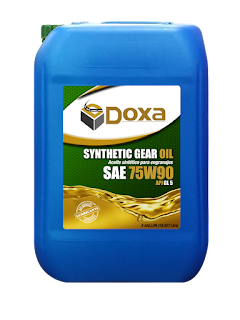
Viscosity Grade
When comparing engine oil products, you may see complicated
codes on the container with numbers and letters. These numbers represent the
oil's viscosity grade, which is a measurement of the oil's resistance to flow.
When looking for the correct engine oil, it's crucial to consider this, as well
as the environment and driving circumstances.
The viscosity of an oil is determined by two numbers. Winter
is represented by the letter ‘W' at the end of the first numeral. This
measurement refers to how an oil flows while it's cold, such as when starting
an engine. The second number refers to how an oil flows under normal operating
conditions.
At lower temperatures, thin, low viscosity oils flow more
easily to protect engine parts. The film strength of thick, high viscosity
lubricants is often superior at sustaining strength to protect engines at
greater temperatures. Look on the oil cap or in the owner's manual for the
correct viscosity for your car.
Conclusion:
Understanding engine oil and making the best decision for
your automobile can be challenging, but doing so will extend the life of your
engine and allow it to run more effectively. Keep these above-discussed factors
in mind the next time you're shopping for the best oil to improve your engine's
performance.


Comments
Post a Comment